
"semi-forest coffee"
400 article(s) found
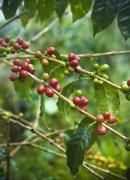
Sidamo Fruit Fruit Coffee with Light to moderate Baking and washing Nuts
The coffee-producing region of Ethiopia is divided into east and west parts by the East African Rift Valley, with lakes, volcanoes, lowlands, plateaus and woodlands interlaced, each evolving. Ethiopia has the most diverse coffee ecosystem in the world (forest coffee, semi-forest coffee, pastoral coffee and plantation coffee), which also preserves its rich Arabica genes. The eastern half is mostly plateaus, coffee beans.

Introduction to the taste treatment method of region flavor description of Ethiopian coffee manor brand
Ethiopian coffee farm brand flavor description taste treatment method introduces that Ethiopian coffee beans grow in a close to natural environment, after years of planting under the same growth conditions, Ethiopian coffee beans have gradually adapted to the environment here. More than 60% of coffee beans are grown in forests or semi-forests. A village house that grows coffee in a large area.

Flavor and taste characteristics of Ethiopian coffee manor introduce Ethiopian coffee varieties
Ethiopian coffee beans grow in close to the natural environment, after years of planting under the same growth conditions, Ethiopian coffee beans have gradually adapted to the environment here. More than 60% of coffee beans are grown in forests or semi-forests. Large-scale coffee-growing villages account for about 35% of the country's total coffee production. Many of these are used.

Introduction to the Fine Coffee Bean Flavor and Taste Manor in Ethiopia
Ethiopian coffee beans grow in close to the natural environment, after years of planting under the same growth conditions, Ethiopian coffee beans have gradually adapted to the environment here. More than 60% of coffee beans are grown in forests or semi-forests. Large-scale coffee-growing villages account for about 35% of the country's total coffee production. Many of these are used.

Ethiopian Coffee Manor Flavor Description Grind Treatment Price Taste Introduction
Currently, about 25 percent of Ethiopia's population depends directly or indirectly on coffee production for their livelihood. Farmers using traditional farming methods predominate. Artificial care of coffee trees, use organic fertilizer, do not use harmful pesticides and herbicides, etc. Most of the coffee produced in Ethiopia is organic. Coffee can be classified as Forest or Semi-Forest Coffee due to different cultivation methods.

African coffee producing area with charming fruit acids and washed and sun-dried coffee beans of producing area
African coffee flavor characteristics: charming fruit acid as the birthplace of coffee, African coffee in the entire coffee industry in a pivotal position. Although coffee has been commercially grown worldwide for hundreds of years, Africa's vast number of wild coffee varieties remain the greatest treasure trove of coffee researchers today. African coffee is generally characterized by intense aroma and charm

Sweet Ethiopian Coffee Flavor description Variety characteristics introduction of boutique Coffee beans
Ethiopian coffee beans grow in close to the natural environment, after years of planting under the same growth conditions, Ethiopian coffee beans have gradually adapted to the environment here. More than 60% of coffee beans are grown in forests or semi-forests. Large-scale coffee-growing villages account for about 35% of the country's total coffee production. Many of these are used.

Ethiopian Coffee Manor Culture introduces Flavor
Coffee Culture Coffee beans in Ethiopia grow in close to the natural environment. After years of planting under the same growth conditions, Ethiopian coffee beans have gradually adapted to the environment here. More than 60% of coffee beans are grown in forests or semi-forests. Large-scale coffee-growing villages account for about 35% of the country's total coffee production.

Introduction to the growing environment of Ethiopian coffee introduction to Yega Snow Coffee Manor
Ethiopian coffee beans grow in close to the natural environment, after years of planting under the same growth conditions, Ethiopian coffee beans have gradually adapted to the environment here. More than 60% of coffee beans are grown in forests or semi-forests. Large-scale coffee-growing villages account for about 35% of the country's total coffee production. Many of these are used.

Introduction to the planting environment of Ethiopian coffee
Due to different planting methods, coffee can be divided into three types: forest-semi-forest coffee (Forest or semi-forest coffee), courtyard coffee (Garden coffee) and plantation coffee (Plantation coffee). 60% of the coffee belongs to forest-semi-forest coffee. In such a wild coffee forest, pesticides are not used at all, but biological methods are used to control pests. 35%

Ethiopian coffee bean flavor taste the manor area introduces fine coffee beans Ethiopian coffee
Sustainable coffee culture Ethiopian coffee beans grow in close to the natural environment, after years of planting under the same growth conditions, Ethiopian coffee beans have gradually adapted to the environment here. More than 60% of coffee beans are grown in forests or semi-forests. The villages that grow coffee in large areas account for about the total amount of coffee produced in the country.

Introduction of Coffee Variety Flavor description in Xida Mochizo producing area with strong fragrance
Sustainable coffee culture Ethiopian coffee beans grow in close to the natural environment, after years of planting under the same growth conditions, Ethiopian coffee beans have gradually adapted to the environment here. More than 60% of coffee beans are grown in forests or semi-forests. The villages that grow coffee in large areas account for about the total amount of coffee produced in the country.

The Queen of Coffee--Yerga Shefi Coffee Flavor Features Yerga Shefi Coffee Growing Environment
Professional coffee knowledge exchange More coffee bean information Please pay attention to coffee workshop (Weixin Official Accounts cafe_style) Ethiopia is the first country to discover coffee. It belongs to the most important producing country in terms of coffee quality and output. The annual production quantity is about 350,000 tons. Ethiopia is famous all over the world for its mocha beans produced in Hara, among which Yirgache

Detailed Analysis of four cultivation Systems of Coffee in Ethiopia
Forest coffee (Forest Coffee): wild coffee, which accounts for 10% of Ethiopia's national output, is distributed in the wild coffee forest areas of the west and southwest, also known as the Kafa forest. The dense trees here provide the most natural shade for coffee trees and do not need manual care. Mother Earth is in charge of birth, aging, sickness and death, and coffee farmers can go directly to the woodland to harvest. Hansen

Ethiopian Coffee Story which brand of Ethiopian coffee beans is good
Professional coffee knowledge exchange more coffee bean information please follow the coffee workshop (Wechat official account cafe_style) Starbucks, which has been the king of the world in recent years. To become a well-known fashion brand, in order to arouse the recognition of more consumers with the power of consumption, Starbucks proposed a commitment to the producing area of caffeine (Commitment to Origins; referred to as CTO) in 2003, and promoted
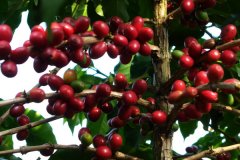
Ethiopian Yega Chevy Fine Coffee
The coffee-producing region of Ethiopia is divided into east and west parts by the East African Rift Valley, with lakes, volcanoes, lowlands, plateaus and woodlands interlaced, each evolving. Ethiopia has the most diverse coffee ecosystem in the world (forest coffee, semi-forest coffee, pastoral coffee and plantation coffee), which also preserves its rich Arabica genes. The eastern half is mostly plateaus, coffee beans.

An introduction to the estates of Ethiopian coffee-producing areas with the natural conditions for growing coffee
Sustainable coffee culture Ethiopian coffee beans grow in close to the natural environment, after years of planting under the same growth conditions, Ethiopian coffee beans have gradually adapted to the environment here. More than 60% of coffee beans are grown in forests or semi-forests. The villages that grow coffee in large areas account for about the total amount of coffee produced in the country.

Coffee Flavor description of Ethiopian Coffee Manor Coffee Flavor description of roasting degree Price planting Environment
Ethiopian coffee beans grow in close to the natural environment, after years of planting under the same growth conditions, Ethiopian coffee beans have gradually adapted to the environment here. More than 60% of coffee beans are grown in forests or semi-forests. Large-scale coffee-growing villages account for about 35% of the country's total coffee production. Many of these are used.

The Clean Flavor of Coffee from Godeo, the Outstanding Coffee in the Southern Yegashafi region of Ethiopia
For more information on coffee beans, please follow the coffee workshop (Wechat official account cafe_style) Ethiopia has the most diverse coffee ecosystem in the world (forest coffee, semi-forest coffee, pastoral coffee and plantation coffee), which makes its rich Arabica gene preserved, coupled with multiple treatments of sun, water and semi-washing, showing complexity.